
Types of Breast Implants & When to Replace Your Implants
October 10, 2018

The two main types of breast implants are silicone gel and saline, and most women only need breast implant replacement if there is a complication (such as rupture, capsular contracture, or a change in breast shape) or if they want to change implant size or type.
Breast augmentation is a cosmetic surgery that uses breast implants to increase breast size, restore lost volume, or improve breast shape after pregnancy, weight loss, or mastectomy.
Breast implant replacement or breast augmentation replacement is a follow-up surgery that removes and replaces existing implants when there is a problem, a change in your body, or a change in your aesthetic goals.
Last year, over 300,000 women elected to undergo breast augmentation, making it the most popular cosmetic surgical procedure in the United States. If you are considering this surgery, it is likely that you have more than a few questions floating around your head. That’s why we compiled a list of answers to the top questions patients have asked about breast implant replacement and augmentation.
A five-minute google search may have you believe that 10 is the magic number; after ten years, your breast implants will expire…
We debunked this myth in a previous post, clarifying that this statistic is only true for 20% of women; the remaining 80% are enjoying their implants long after the first decade.
The truth is, this question does not have a definite answer and the “average lifespan” of an implant comes with no guarantees.
A breast implant will only need to be replaced if a complication arises or if you want to change your implant size or type.
Although it is important to understand the possibility of a follow-up procedure when considering this surgery, the likelihood of lasting success is high, especially when working with a double-board-certified plastic surgeon.
In fact, many of our patients have had their implants for 20 years or longer.
How Do I Know When My Implant Needs to Be Replaced?
You may need breast implant replacement if you notice changes in breast shape, firmness, or comfort, or if imaging shows a rupture or tightening of scar tissue around the implant (capsular contracture).
Many women wonder, “How do I know when my implant needs to be replaced?” The answer depends on your symptoms and implant performance.
While there is no set timeline, common signs that may indicate the need for breast implant replacement include:
- Changes in breast shape or size over time
- Noticeable hardening or discomfort in one or both breasts
- Implant rupture or deflation (especially with saline implants)
- Rippling or wrinkling visible through the skin
- Capsular contracture, when scar tissue tightens around the implant
If you experience any of these symptoms, it’s important to schedule a consultation with a board-certified plastic surgeon who specializes in breast augmentation replacement.
At Perimeter Plastic Surgery, we use advanced diagnostic imaging and clinical assessment to determine whether your implants are still performing safely and effectively.
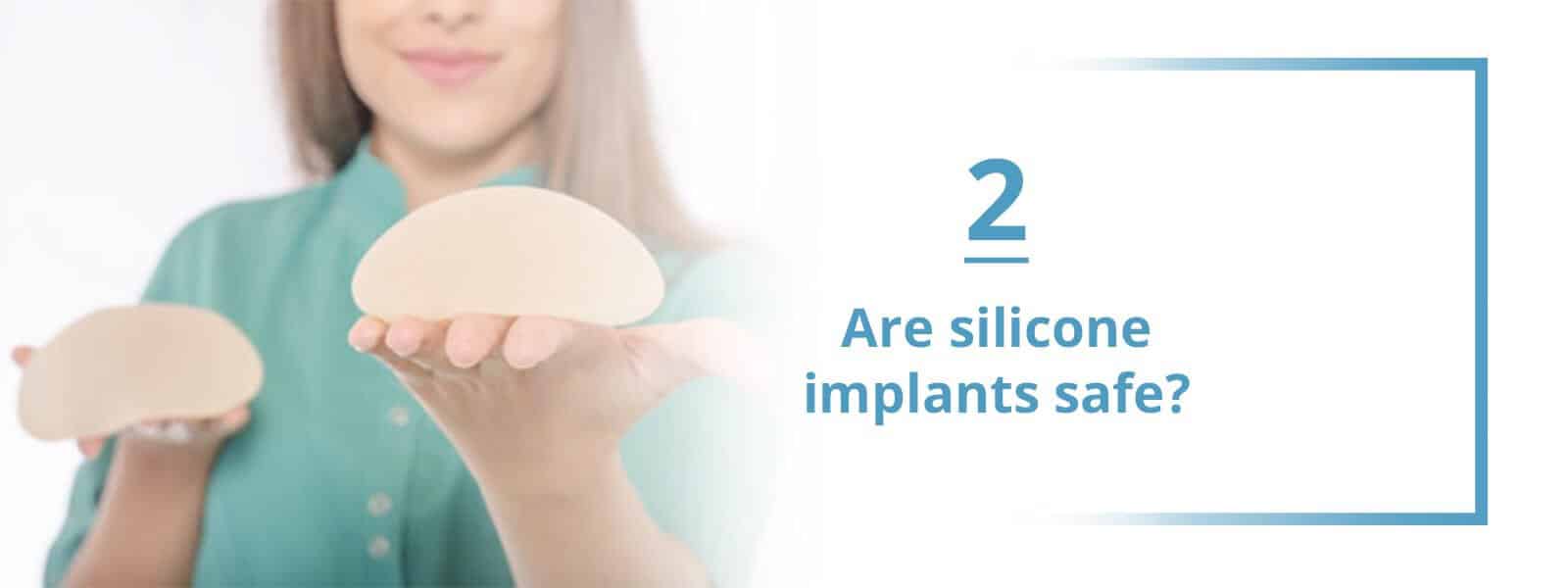
Are Silicone Implants Safe?
The short answer to whether or not silicone implants are safe? Yes, the FDA has approved silicone breast implants for the purpose of augmentation, reconstruction after breast cancer surgery or trauma, and for correction of developmental defects. Numerous studies also show that the majority of breast augmentation and reconstruction patients are satisfied with the results of the surgery.
When considering breast implant replacement, open communication with your plastic surgeon is essential. Patients should feel comfortable, confident, and well-informed about their decision to undergo any cosmetic procedure. That’s why it’s recommended that you do adequate research and choose a board-certified plastic surgeon you fully trust.
All FDA-approved saline and silicone gel-filled breast implants have a Summary of Safety and Effectiveness Data (SSED) report, which provides a detailed summary of the risks, warnings, precautions, and studies associated with FDA approval of the device.
This SSED report is designed to help patients understand the type of implant they are choosing, the filler material used, and the possible side effects based on long-term data reviewed by the FDA.
The FDA advises individuals to review the SSED data for each implant to learn more about their characteristics and the fillers used.
Once the anesthesia has taken effect, the surgeon will make an incision in one of the following areas:
-
-
- Along the underside of your breast (inframammary): this is the most common location used because it is where your skin naturally folds. When the incision is made in this area, scarring may be slightly more visible, especially if you are younger, thinner, and have not yet had children.
-
- Under your arm (transaxillary): this type of incision most likely requires the surgeon to use an endoscope, a tool that can be inserted into an incision site to help the surgeon guide the implant into place. Instead of having a scar along the underside of your breast, like an inframammary incision, you may have a scar on the underside of your arm.
-
- Around the nipple (periareolar): a periareolar incision can help camouflage a scar but may also cause problems with loss or change of sensation in the nipple.
- Through the mastectomy scar: this incision is for patients undergoing breast reconstruction surgeries.
-
This depends on a patient’s anatomy, but typically we place the implant below (submuscular) the chest wall muscles opposed to above (subglandular). For both locations, there are unique pros, cons and considerations; thus, it is important to consult an experienced plastic surgeon before deciding on an approach.
Benefits of submuscular placement (below the pectoralis muscle) include reduced rates of sensory loss in the nipple and areola, greater visibility of native breast tissue during mammography, and a reduced likelihood of hematomas (bruising) near the implant after surgery. Drawbacks of placing the implant under the muscle include reduced size potential of the breast and the potential for increased postoperative pain due to muscle disturbance.
Women with adequate breast tissue are the most common candidates for subglandular placement (above the chest wall muscle). This type of placement is considered less invasive and typically leaves room for larger implants and more pronounced cleavage. However, there are shortcomings to keep in mind when considering this method. Sometimes the soft tissue can harden due to stretching and begin to form fibrous tissue, causing pain and deformation of the implant. The implant may also create vertical folds to appear on the surface of the breast, known as rippling, which occurs most often in women who have a limited amount of overlying natural breast tissue.
What Are the Most Requested Breast Implants?
Currently, the most requested breast implants among patients are silicone gel implants, often referred to as “gummy bear” implants because of their natural feel and shape retention.
Many women prefer these over saline options because they closely mimic the texture of natural breast tissue and have a lower risk of visible rippling.
However, saline implants still appeal to patients who prefer a slightly firmer look or want the reassurance that any rupture would be immediately noticeable.
Below is a quick comparison of the pros and cons of each implant type for easier decision-making:
Silicone Implants
Pros:
- More natural look and feel
- Less risk of visible rippling
- Variety of shapes and profiles
Cons:
- Require MRI or ultrasound to detect rupture
- Slightly more expensive
- Not suitable for very young patients (FDA approval age 22+)
Saline Implants
Pros:
- Filled with sterile salt water (easy to detect leaks)
- Smaller incisions possible
- FDA-approved for patients 18+
Cons:
- Slightly firmer feel
- Greater chance of rippling in thin patients
- May appear less natural than silicone implants
During your consultation at Perimeter Plastic Surgery, we’ll help you compare both options to determine which best suits your desired results and anatomy.
Types of Incisions for Breast Augmentation
The most common breast augmentation incisions are placed in the breast crease (inframammary), around the nipple (periareolar), under the arm (transaxillary), or through a mastectomy scar during reconstruction, and your surgeon will recommend the approach that best fits your anatomy and scarring goals.
Once the anesthesia has taken effect, the surgeon will make an incision in one of the following areas:
- Along the underside of your breast (inframammary): This is the most common location used because it’s where your skin naturally folds. Scarring may be slightly more visible, especially if you are younger, thinner, and have not yet had children.
- Under your arm (transaxillary): This type of incision often requires the surgeon to use an endoscope to guide the implant into place. It results inno scar on the breast itself, only under the arm.
- Around the nipple (periareolar): A periareolar incision can help camouflage a scar but may affect nipple sensation
- Through the mastectomy scar: This incision is typically used for patients undergoing breast reconstruction after cancer or trauma.
What Are My Breast Implant Placement Options (Submuscular vs. Subglandular)?
Breast implants can be placed either under the chest muscle (submuscular) or above the muscle but beneath the breast tissue (subglandular), and the best placement depends on your anatomy, lifestyle, and the look you want to achieve.
Placement depends on the patient’s anatomy. Typically, the implant is positioned below (submuscular) or above (subglandular) the chest wall muscle.
Both methods have unique advantages, so consulting an experienced plastic surgeon is key before deciding.
Submuscular (below the pectoralis muscle):
- Benefits include reduced rates of sensory loss in the nipple and areola, better mammography visibility, and a reduced likelihood of bruising or hematoma.
- Drawbacks include a longer recovery time and more postoperative discomfort due to muscle movement.
Subglandular (above the muscle):
- Women with adequate breast tissue are often good candidates for this placement. It’s considered less invasive and typically produces more pronounced cleavage.
- However, drawbacks include a higher risk of rippling or firmness over time, particularly in women with limited natural breast tissue.
How Long Do Breast Implants Last?
Most breast implants last 10–20 years or longer, and they do not need to be replaced simply because you reach the 10-year mark; instead, breast implant replacement is recommended if you develop a complication or want to change your results.
Although many women keep their implants for 15–20 years or longer, most surgeons recommend periodic imaging (MRI or ultrasound) to ensure they remain intact.
If you’re satisfied with your implants and experiencing no complications, there’s no need to replace them based solely on time.
That said, lifestyle changes, pregnancy, or aesthetic preferences may lead patients to pursue breast augmentation replacement, either to adjust implant size or switch from saline to silicone (or vice versa).
Do I Have to Replace My Implants Every 10 Years?
No. The “10-year rule” is a myth for most women. Many patients keep their implants well beyond 10 years without any problems, as long as they feel comfortable and imaging shows the implants are intact.
How Often Should I Check My Implants?
Your plastic surgeon may recommend periodic MRI or ultrasound, especially if you have silicone implants, to monitor for silent rupture and confirm that your breast implants are performing safely.
Considering Breast Augmentation or Replacement?
Whether you’re getting implants for the first time or considering a replacement, choosing a highly skilled, board-certified plastic surgeon is the most important decision you can make.
At Perimeter Plastic Surgery, Dr. Mark Deutsch, named Atlanta Magazine’s Top Doctor, has decades of experience helping patients achieve natural, long-lasting results.
Schedule your breast augmentation or breast implant replacement consultation today at our Atlanta plastic surgery practice to learn which options best fit your goals, body type, and lifestyle.