
Recovery Tips and What to Expect After Plastic Surgery
September 17, 2024
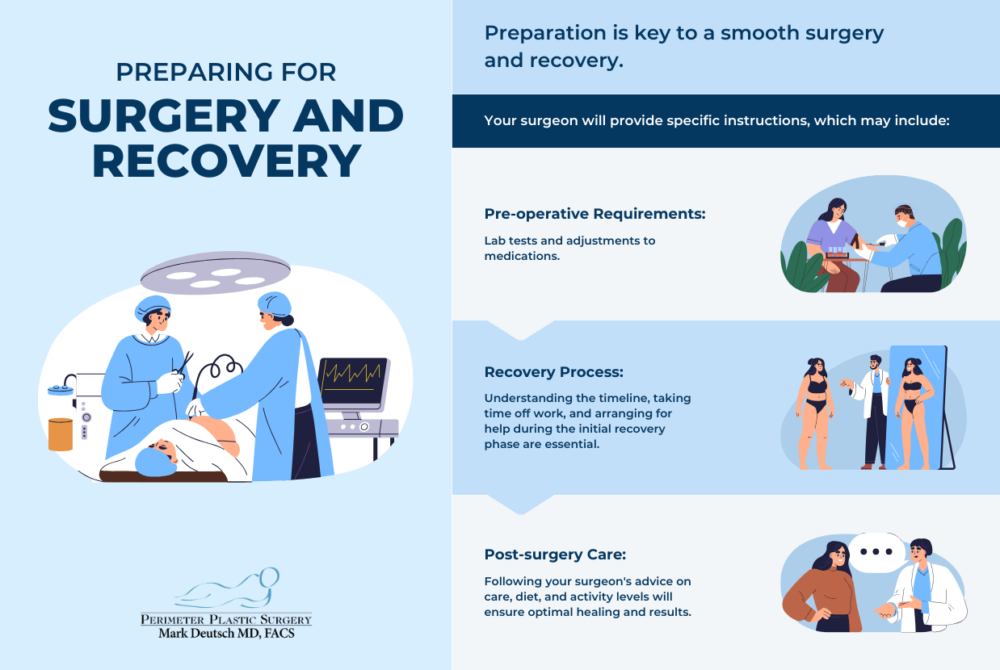
Plastic surgery recovery is the healing period after cosmetic surgery when your body reduces swelling, repairs tissue, and gradually settles into your final results. Most patients recover best by protecting their incisions, resting early, taking medications as prescribed, and keeping activity light until cleared by their surgeon. If you have chest pain, shortness of breath, heavy bleeding, a fever over 101°F, or rapidly worsening swelling, contact your surgeon right away or seek urgent care.
Undergoing plastic surgery, especially in a bustling hub like Atlanta, is an exciting step toward achieving your personal goals. However, even if you’re getting the best Atlanta plastic surgery care, the recovery process is where the real work begins. Whether you’re opting for breast augmentation or any other procedure, knowing what to expect during plastic surgery recovery in Atlanta can make the experience smoother and less stressful.
Let’s break it down so you can heal up and feel your best in no time.
The First 24-48 Hours: What to Expect and How to Cope
What should I expect in the first 24–48 hours after plastic surgery?
In the first 24–48 hours after plastic surgery, many patients feel groggy from anesthesia, experience swelling and soreness, and may need assistance at home with basic tasks.
This is common after cosmetic surgery, so the goal is rest, safety, and staying on your prescribed aftercare plan.
Immediately after surgery, rest is crucial. You may feel groggy from anesthesia and experience discomfort or disorientation, which is normal. Plan to have a responsible adult stay with you for the first day or two, since driving, cooking, and moving around can be difficult or unsafe while anesthesia is still wearing off.
- Pain and swelling are common. Most patients experience pain, swelling, and bruising right after surgery. Prescribed pain medication and surgeon-approved cold therapy can help reduce discomfort early on. Use ice only if your surgeon approves it for your specific procedure, and avoid applying heat to the surgical area unless your surgeon specifically advises it. Be sure to follow your doctor’s instructions carefully on which medications to take and when.
- You’ll feel tired. It’s not just the surgery that requires recovery; your body uses a lot of energy to heal. Make sure to rest, stay hydrated, and avoid pushing yourself too hard.
- Watch for red flags. While discomfort is normal, watch for symptoms that are getting worse instead of better, such as heavy bleeding, spreading redness, foul-smelling drainage, severe pain that suddenly increases, or a persistent fever. If something feels “off,” call your surgeon’s office and follow their instructions.
Here are the steps most patients should follow in the first 24–48 hours:
- Rest and keep your body supported in the position your surgeon recommends.
- Take medications on schedule and do not “wait until it gets bad.”
- Drink water often and eat small, easy meals as tolerated.
- Walk short, gentle distances only if your surgeon allows it, since movement guidance can differ by procedure.
- Keep dressings, drains, and compression garments in place as instructed.
Week One: Managing Swelling, Bruising, and Getting Comfortable
How do I manage swelling and bruising in week one after cosmetic surgery?
During week one, swelling and bruising are expected and usually improve slowly each day. Your best tools are rest, proper positioning, compression garments if prescribed, and following restrictions closely.
By this stage, you may start feeling more like yourself, even though your body is still healing. Depending on the procedure, movement will be restricted, but it’s important to keep things light and simple.
Why does elevation matter during plastic surgery recovery?
Elevation can help reduce swelling by improving fluid drainage and lowering pressure in the surgical area. It can also make you more comfortable while sleeping.
Rest and Elevation
Keep the affected area elevated as much as possible to help reduce swelling. For instance, if you’ve undergone a mommy makeover in Atlanta, use pillows to prop yourself up while sleeping. For abdominal or leg procedures, make sure to keep your legs elevated to aid in your recovery.
How do I take medications safely after plastic surgery?
Take medications exactly as prescribed and avoid adding new over-the-counter products unless your surgeon approves them. This helps prevent bleeding risks and medication interactions.
Follow the Medication Schedule
Take your medications exactly as prescribed. While we understand that taking medication may not be your favorite, these medications are crucial for managing pain and preventing complications, so it’s important not to skip any doses. Over-the-counter pain relievers can also be helpful, but check with your surgeon before adding anything new.
What activities should I avoid during week one after plastic surgery?
Avoid anything that strains incisions, raises your heart rate too much, or risks bumping the surgical area. Even common chores can slow healing early on.
No Heavy Lifting or Strenuous Activity
Avoid heavy lifting and strenuous activities after plastic surgery. Even simple tasks like vacuuming or carrying groceries should be put on hold. Your body needs time to heal, and overexerting yourself can hinder your recovery.
The main causes of swelling include:
- Normal inflammation from tissue healing after plastic surgery
- Fluid buildup in the area where tissue was adjusted or removed
- Too much activity too soon (even “light” activity)
- High-sodium meals that increase fluid retention
- Not wearing compression garments correctly, if prescribed
The main ways to reduce swelling include resting, staying hydrated, keeping sodium moderate, using elevation when recommended, and wearing compression garments exactly as directed.
Long-Term Plastic Surgery Recovery in Atlanta: Weeks to Months After Surgery
How long does plastic surgery recovery take?
Plastic surgery recovery happens in phases: early healing is usually days to a few weeks, but swelling can take weeks to months to fully settle. Timelines vary by procedure, your health history, and how closely you follow aftercare. Most people feel better before they are fully healed, which is why pacing matters.
As you move into the weeks and months post-op, you’ll see the light at the end of the tunnel. Bruises fade, swelling goes down, and you’ll start feeling more like yourself but don’t rush it! Trust the healing process, as your results will continue to enhance with time.
Expect a Few Ups and Downs
Recovery isn’t always linear. Some days, you’ll feel great, and others, not so much. It’s also common for swelling to flare after long days, increased activity, travel, or heat, especially in the first few months.
When can I go back to work, workouts, and normal routines in Atlanta?
Return-to-work and exercise timing depends on your procedure and how you heal. For many Atlanta patients, desk work may be sooner than physically demanding jobs, but your surgeon should confirm what’s safe for you.
Slowly Resume Normal Activities
Check with your surgeon when it’s safe to return to your regular routine. This includes working out, going back to work, or even socializing. Listen to your body. If pain increases or does not improve with rest, stop and check with your surgeon.
Why do follow-up appointments matter after plastic surgery?
Follow-ups help your surgeon check incision healing, monitor swelling, manage drains if used, and catch issues early. They also protect your results.
Follow-Up Appointments Matter
Those post-op check-ins aren’t just formality. If you go to Perimeter Plastic Surgery, you’re getting the best breast augmentation Atlanta has to offer, and with that comes top-notch post-op care as well. Your surgeon will assess how you’re healing and can provide guidance tailored to your specific progress. Don’t skip these appointments; they’re crucial for tracking your recovery.
Recovery Tips
What are the best practices for plastic surgery recovery?
The best practices include following your surgeon’s plan, protecting your incisions, keeping activity light, eating for healing, and going to all follow-ups. These habits reduce complications and support better results.
For a smoother recovery, stick to your doctor’s plan. It’s tempting to Google alternatives, but your surgeon’s instructions should guide your aftercare.
- Eat well and stay hydrated by focusing on nutrient-rich foods like fruits, veggies, and lean proteins, and drink plenty of water.
- Avoid smoking and alcohol, as both can hinder your healing process.
- Lastly, aim for at least 7-8 hours of quality sleep each night, as your body performs its most effective repair work while you rest.
The main benefits include:
- Less swelling and bruising over time
- Lower risk of infection or wound problems
- More comfortable day-to-day healing
- Better-looking, longer-lasting results
Common Recovery Mistakes to Avoid
What should I avoid after plastic surgery?
Avoid overexertion, skipping wound care, and ignoring warning signs. These are common reasons recovery takes longer than it should.
There are a few common missteps that can set your recovery back:
Overdoing It Too Soon
Many patients feel better and think they’re good to go, but too much activity can delay healing. Stick to light movements and avoid strenuous activities until your surgeon gives you the green light.
Skipping Medications or Improper Wound Care
It’s easy to fall behind on medication schedules or become lax with wound care, but both are crucial for ensuring a safe and effective recovery. Follow any ointments, bandages, or specific care instructions to avoid complications.
When to Call Your Surgeon
When should I call my surgeon during plastic surgery recovery?
Call your surgeon if symptoms feel urgent or unusual, especially severe pain, heavy bleeding, fever, shortness of breath, chest pain, or sudden swelling that is getting worse.
Keep an eye out for anything unusual. If symptoms are worsening, you notice spreading redness, you have shortness of breath, or you cannot control pain with your prescribed plan, contact your surgeon promptly.
Your Path to a Successful Recovery
Recovering from plastic surgery in Atlanta, including procedures like breast implants in Atlanta, can feel overwhelming at first, but a smooth recovery is just as important as the procedure itself. When you rest early, follow your surgeon’s guidance, and pace activity carefully, your body has the best chance to heal comfortably and deliver the results you’re hoping for.
Schedule a consultation with Perimeter Plastic Surgery today to receive a personalized recovery timeline and aftercare plan designed for you.
FAQ: Plastic Surgery Recovery in Atlanta, GA
How can I speed up healing after cosmetic surgery?
You can support faster healing by sleeping enough, eating protein-rich meals, staying hydrated, and avoiding nicotine and alcohol. Most importantly, follow your surgeon’s instructions and avoid rushing activity.
How long will swelling last after breast augmentation?
After breast augmentation, swelling is most noticeable during the first 2–3 weeks and gradually improves over several months. Final results can continue to settle through the 3–6 month range, and timing varies based on healing and activity level.
When can I drive after cosmetic surgery?
Most patients can drive once they are no longer taking prescription pain medication and can safely turn the steering wheel without pain or restricted movement. Your surgeon should confirm timing based on your specific procedure.
When can I return to work after plastic surgery in Atlanta?
Return-to-work timing depends on the procedure and your job demands. Many patients with desk jobs return within 1–2 weeks, while physically demanding roles may require longer recovery. Your surgeon will provide personalized clearance.
What should I avoid doing in the Atlanta heat after surgery?
Avoid overheating, saunas, hot tubs, and long outdoor exposure early in recovery, since heat can increase swelling. If you have to be outside, keep time short and follow your surgeon’s guidance.
When should I be concerned about my incision after surgery?
Contact your surgeon if you notice spreading redness, worsening pain, thick or foul-smelling drainage, increasing warmth, or a persistent fever. Symptoms that worsen instead of improve should always be evaluated.
Last updated on Feb 16, 2026