
Recovery and Results: What to Expect After a Tummy Tuck
March 28, 2024
Dr. Mark Deutsch is a board-certified plastic surgeon in Atlanta with more than two decades of experience performing tummy tuck and body contouring procedures at Perimeter Plastic Surgery. Recognized by his peers in Atlanta Magazine, he is known for combining surgical precision with personalized patient care throughout every stage of recovery.
What you will learn in this article:
- What to expect during each stage of tummy tuck recovery, from the first week through full healing
- How to care for your incision and manage swelling after surgery
- The role nutrition and lifestyle play in a smooth abdominoplasty recovery
- When you can safely return to work, exercise, and daily routines
- How long it takes to see your final tummy tuck results, and how to manage scarring
Tummy tuck recovery usually takes about 6 to 8 weeks, with most patients returning to light daily activities within 2 to 3 weeks. Undergoing a tummy tuck, or abdominoplasty, is a significant decision that can transform your appearance and boost your self-confidence. Knowing what to expect during recovery can help you feel more prepared and more confident in the healing process.
A tummy tuck removes excess skin and fat from the abdomen while tightening weakened or separated muscles to create a smoother, firmer abdominal profile. In this guide, we’ll walk you through what to expect after a tummy tuck, from the immediate aftermath to the unveiling of your final results.
What Happens Right After a Tummy Tuck?
How Long Does Tummy Tuck Recovery Take in the First Week?
The first week of tummy tuck recovery is the most intensive, and your care team will help you manage the process. The first few days after your tummy tuck surgery are critical for your recovery. During this period, you will experience some discomfort and swelling, which can be managed with prescribed pain medication.
Furthermore, some surgeons, such as Dr. Deutsch, inject pain medication during the procedure to aid in post-operative pain management, resulting in reduced use of pain medication during recovery. Mobility will be limited, and it’s essential to avoid any strenuous activities that could strain the incision site.
Compression garments play a vital role in this early stage by reducing swelling and supporting the healing tissues.
What Does Tummy Tuck Recovery Week by Week Look Like?
Here is a general tummy tuck recovery week-by-week overview:
- Week 1: Rest at home. Expect swelling, bruising, and limited movement. Drains may still be in place. Pain is managed with medication.
- Week 2: Drains are typically removed. Light walking around the house is encouraged to promote circulation.
- Weeks 3 to 4: Swelling continues to decrease. Many patients can return to desk work or light daily routines.
- Weeks 5 to 6: Most normal activities can resume.
- Weeks 8 and beyond: With your surgeon’s approval, you can gradually return to exercise and more strenuous activities.
Every patient heals differently, so always follow your surgeon’s personalized guidance for abdominoplasty aftercare.
Tips for a Comfortable Recovery at Home
- Arrange for someone to help you around the house, as your mobility will be temporarily restricted.
- Keep essential items within easy reach to avoid unnecessary stretching or bending.
- Follow your surgeon’s advice on how to sit or lie down to minimize tension on the incision line.
What Does Post-Tummy Tuck Care Involve?
How Should You Care for Your Incision After a Tummy Tuck?
Post-tummy tuck care starts with keeping your incision site clean, dry, and protected to prevent infection and support smooth healing. Your surgeon will provide detailed instructions on how to clean the area, change dressings, and manage your drains, which help reduce the risk of swelling.
Drains are removed in the office typically 1-2 weeks after the procedure (depending on the output of fluid). Managing swelling and bruising is also a critical aspect of care. Strategies include maintaining a gentle activity level to promote circulation and wearing your compression garment as advised.
Why Is Nutrition Important During Tummy Tuck Recovery?
Good nutrition directly supports healing after a tummy tuck by giving your body the fuel it needs to repair tissue and reduce inflammation.
A balanced diet rich in vitamins and minerals supports your body’s healing process. Focus on consuming plenty of proteins, fruits, and vegetables, and stay hydrated by drinking water regularly.
Proper nutrition not only aids in recovery but also helps maintain the results of your surgery. Do not smoke during recovery, as smoking can delay healing and increase the risk of complications.
How Do You Handle the Physical and Emotional Side of Recovery?
It is completely normal to feel a mix of excitement, impatience, and frustration as your body heals. Recovery is not just a physical process but an emotional one as well.
Potential complications, such as infections or delayed healing, can add to the emotional rollercoaster. Lean on your support system, and remember that patience is one of the most important parts of abdominoplasty aftercare.
When to Seek Medical Attention During Recovery
Contact your surgeon right away if you notice any of the following warning signs:
- Signs of infection (increased redness, warmth, pus at the incision site, or fever)
- Uncontrolled pain
- Sudden swelling or bleeding
If something feels off, it is always better to call your surgeon and ask rather than wait.
Seeing the Results

What Are the Tummy Tuck Results Timeline?
Patience is key, as final tummy tuck results can take up to a full year to fully develop. Initial swelling will gradually subside over several weeks, with most patients seeing a noticeable difference within the first two to three months.
Your results will continue to improve and become more defined as your body fully heals following your tummy tuck. Staying active, eating well, and following your surgeon’s plan will help you maintain your outcome long-term.
How Can You Manage Tummy Tuck Scars?
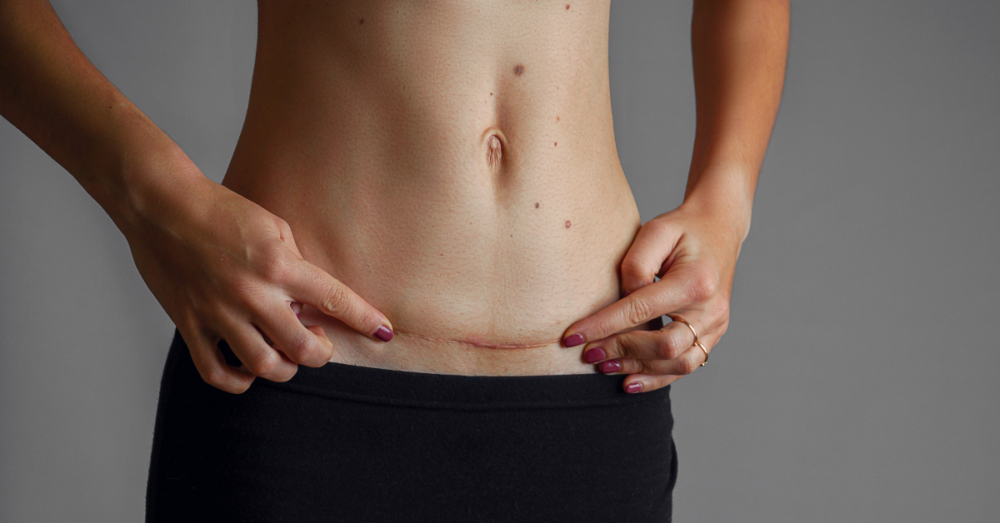
Scar management is a normal and important part of tummy tuck recovery. Scarring is an inevitable part of the healing process, but the appearance of scars can significantly improve over time. Your surgeon can recommend products or treatments to help minimize scarring, such as silicone sheets, Biocorneum scar cream, and laser therapy.
Starting scar management early and staying consistent with treatment can make a big difference in your long-term results.
Related Articles:
Does Fat Grow Back After Tummy Tuck?
How to Ensure Your Scars Look Great After A Tummy Tuck
Recover with Confidence After a Tummy Tuck
Recovering from a tummy tuck is a journey that requires patience, careful attention to your body’s needs, and adherence to your surgeon’s advice. By understanding what to expect and actively participating in your recovery, you can help ensure the best possible outcome.
Remember, the ultimate success of your tummy tuck not only depends on the skill of your surgeon but also on how well you take care of yourself during the healing process. Maintain your results with a healthy lifestyle, and don’t hesitate to reach out to your surgeon with any concerns or questions along the way.
Choosing the best tummy tuck surgeon in Atlanta is crucial for a successful outcome. At Perimeter Plastic Surgery, led by renowned surgeon Dr. Deutsch, recipient of the esteemed “Best Tummy Tuck in Atlanta” award as voted by his peers in Atlanta Magazine for the years 2022-2023, we are committed to providing our patients with the highest standard of care and support throughout their tummy tuck journey. If you’re considering a tummy tuck in Atlanta or have questions about the recovery process, we invite you to contact us at (404)-255-0886 and learn more about how we can help you achieve your aesthetic goals.
Frequently Asked Questions About Tummy Tuck Recovery
What is the recovery time for a tummy tuck?
Full tummy tuck recovery usually takes 6 to 8 weeks, with most patients returning to desk work or light tasks within 2 to 3 weeks. Strenuous exercise and heavy lifting should wait until your surgeon clears you.
When can I resume exercise post-tummy tuck?
Light walking is encouraged within the first week, and most patients can begin low-impact exercise around 6 weeks after surgery. High-intensity workouts and core exercises typically require full clearance at 8 to 12 weeks.
What should I avoid during tummy tuck recovery?
Avoid heavy lifting, bending at the waist, smoking, soaking in baths or pools, and skipping follow-up appointments. Following your post-tummy tuck care plan closely helps prevent complications.
How do I sleep comfortably after a tummy tuck?
Sleep on your back in a slightly reclined position for the first 2 to 4 weeks, using a wedge pillow or recliner for support. Avoid sleeping on your stomach or side until your surgeon says it is safe.
Is it normal to feel tight or numb after a tummy tuck?
Yes, tightness and numbness are very common because the skin and muscles have been tightened during surgery. Feeling typically returns gradually over several months as the nerves heal.