
How To Ensure Your Scars Look Great After A Tummy Tuck
November 18, 2021
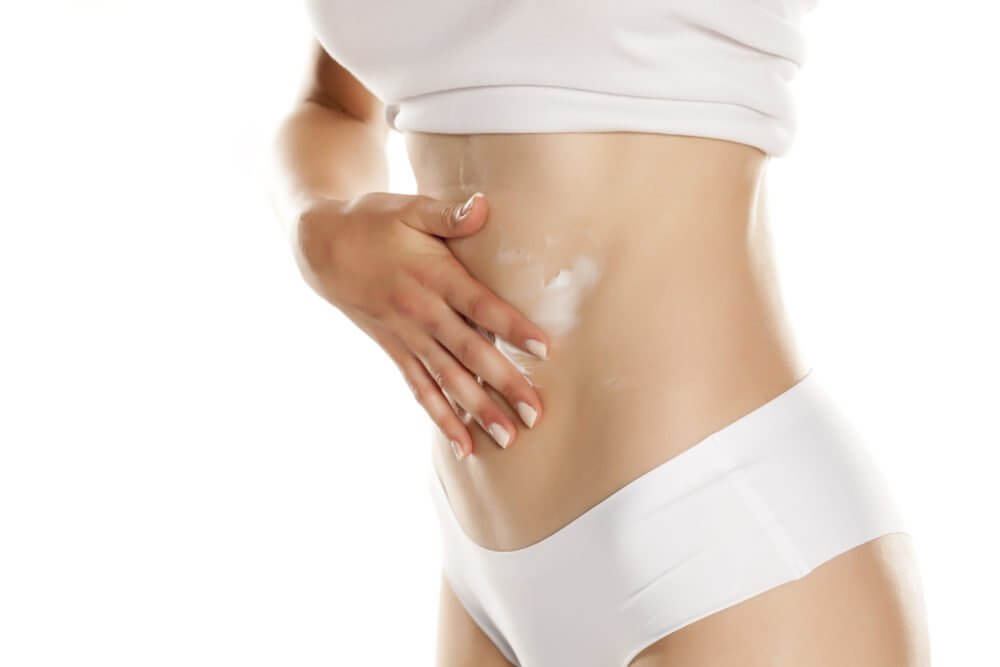
Tummy tuck scars usually fade a lot over time, and most people can hide them under underwear or a swimsuit. The best way to support tummy tuck scar reduction is to protect the incision early, reduce pulling and rubbing, and use proven scar care once the skin is fully closed. With the right plan, many patients see a tummy tuck scar healed and much lighter within 12 months.
A tummy tuck scar is the incision line left after abdominoplasty surgery. It usually runs low across the abdomen and fades gradually as the skin heals.
Tummy tuck surgery is one of the most common and effective ways to take control of your appearance. Perimeter Plastic Surgery treats women as well as men who want to trim, smooth, and refresh their waistlines. Just like with any surgery, it is important to understand the incision scar that may be present after surgery.
Learn how to heal your tummy tuck scar and enjoy a lifetime of beautiful results.
The main benefits of proper tummy tuck scar care include:
- Faster scar fading
- Less redness and pigmentation
- Flatter and smoother scar texture
- Reduced risk of thick or raised scars
What Is A Tummy Tuck?
Tummy tucks (abdominoplasty) are plastic surgery procedures that help correct any excess skin or fat around the waist. A tummy tuck also corrects loose abdominal muscles. Patients are often interested in tummy tuck surgery after pregnancy, weight loss, or muscle damage.
When you work with Perimeter Plastic Surgery, you’ll have a consultation with our double board-certified plastic surgeon, Dr. Mark Deutsch, to see if you’re a good tummy tuck candidate. He will examine your midsection from below your ribs to your groin area to see if a full tummy tuck or mini tummy tuck is a good option for you.
What To Expect From Your Tummy Tuck Scar
Tummy tuck scars are usually easy to disguise under clothing or bathing suits. Your surgeon will be careful to place your scar as low across your abdomen as possible for the best results.
Most scars look red or pink early on, then slowly shift to a lighter, flatter line as healing continues. A tummy tuck scar healed often looks most “final” around the 12-month mark, though some patients continue to see small improvements after that.
Once you’re home and your skin has fully healed, you can start to reduce your scarring. Every tummy tuck scar is unique. Your particular experience will depend on your genetics as well as your post-surgery routine, and our team will craft a scar-reducing routine that’s best for you.
How Can I Reduce Scarring After a Tummy Tuck?
The most helpful habits are protecting the incision, following post-op instructions, avoiding tension on the skin, and using evidence-based scar products after the wound is closed.
Here are the steps to support improving tummy tuck scars:
- Keep the incision protected and supported during early healing (your team will guide you).
- Use incision taping or silicone-based support if recommended by your surgeon.
- Start topical scar care only after the skin is fully closed and you are cleared.
- Avoid rubbing, tight waistbands, and sun exposure on the scar.
- If redness, thickness, or texture lingers, ask about in-office options like laser or microneedling.
These steps work best when they are timed correctly, so always follow your surgeon’s plan for your specific incision.
Common Ways to Minimize Tummy Tuck Scarring
How Does Incision Taping Work for a Tummy Tuck Scar?
Incision taping helps by lowering skin tension and protecting the healing line, which can support smoother scar formation.
The first strategy to minimize scarring begins while you’re still on the operating table. Your surgeon will close your incision using dissolvable sutures beneath your skin. These stitches are designed to help your body heal, then dissolve when they’re no longer needed. There’s no need to have stitches removed after surgery using this method.
Externally, your wound will be sealed using sterile paper tape. Sterile tape protects your healing incision, minimizes skin tension, and provides light pressure to discourage scarring. You can expect to tape your incision weekly for about six weeks after surgery.
If you have heard the phrase “tape tummy tuck,” it usually refers to this early incision support phase. It is simple, but it can make a real difference in tummy tuck scar reduction for the right patient.
What Scar-Fading Topical Creams and Ointments Help Most?
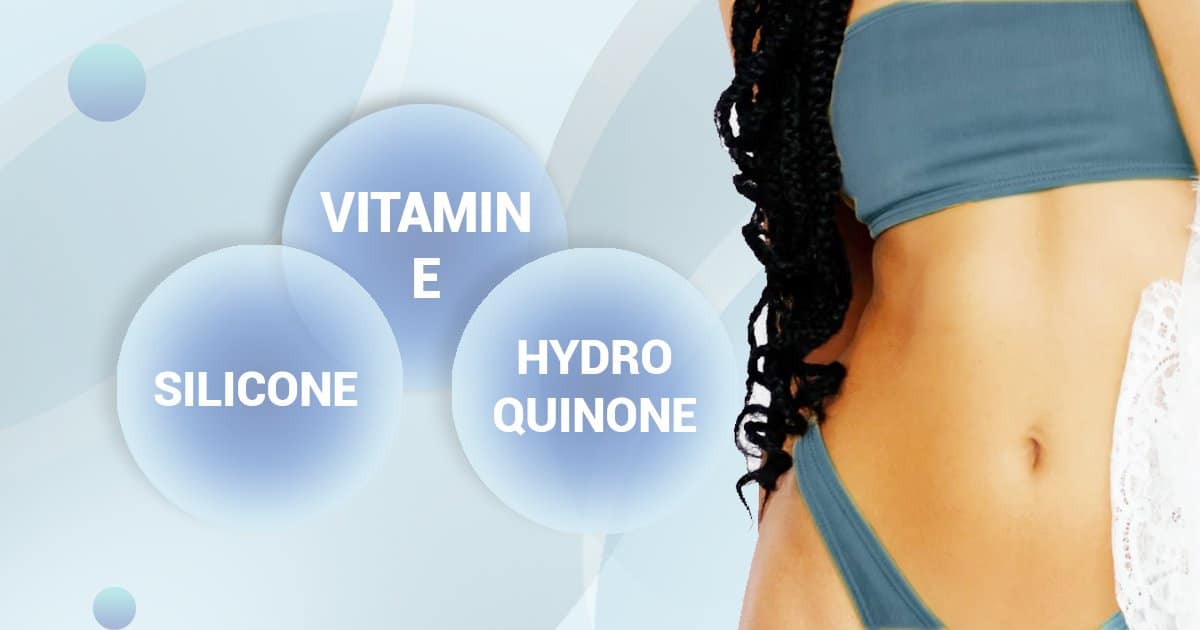
Once your incision no longer needs to be taped, you can start using topical creams, lotions, and ointments that encourage scar fading. There are many scar creams available and our team will help you find the best for your goals. Ingredients like vitamin E, silicone, and hydroquinone are great options for improving healing, keeping your incision moisturized, and reducing pigmentation.
If topical products are not enough, professional tummy tuck scar treatment such as laser resurfacing or microneedling may help improve the scar’s color and texture.
Important note: “more” is not better with topical products. Overdoing creams, scrubbing, or switching products too often can irritate the skin and slow progress.
Why Do High-Waisted Garments Matter During Healing?
High-waisted clothing helps avoid rubbing and pressure right on the incision line, which can help prevent irritation and darkening.
You should avoid unnecessary scar irritation during the healing process. Many patients wear a medical compression garment for several weeks or months after surgery. This compression supports your body during the healing process and reduces swelling.
After you stop wearing your compression garment, you should still choose high-waisted pants and undergarments. Avoid low waistbands that can rub against your scar or feel uncomfortable while you’re still healing. This wardrobe choice will prevent irritation and encourage your scar to keep fading.
Think of this as “protect the line.” Less friction usually means fewer setbacks while improving tummy tuck scars.
What Treatments Are Effective for Tummy Tuck Scars?
If your scar stays raised, textured, or very red after months of healing, in-office treatments like laser, light-based therapy, or microneedling may help improve color and texture.
We’ll reassess your progress a year after surgery. Some patients have great results with their natural healing process and topical scar treatments. Others continue to see scars that are noticeably red or pink.
Your genetics play a major role in your scar healing process. If wounds and cuts tend to heal quickly and easily, with scars that disappear on their own, your tummy tuck scar is likely to fade as well. If you tend to scar heavily, even a mini tummy tuck can lead to noticeable scarring.
Scars don’t ordinarily fade further after a year. If you’re unhappy with your scarring at this time, Perimeter Plastic Surgery can help you figure out the next steps. Many patients see major improvement by adding laser and light treatments to their regime.
Laser resurfacing treatments help smooth scars and make their texture less obvious. Light-based treatments take a different approach. These procedures specifically target dark pigments to lighten scars and reduce redness. Depending on your scar and your ideal results, Perimeter Plastic Surgery may recommend both light and laser treatments.
Regardless of which treatment is best for you, you should expect to have several sessions before seeing your final results.
At Perimeter Plastic Surgery, Dr. Mark Deutsch carefully evaluates the scar’s color, thickness, and healing pattern before recommending treatments such as laser therapy or microneedling.
Expert insight from a clinical standpoint: laser and light treatments are often used when color is the biggest issue (redness or pigment), while resurfacing approaches are often chosen when texture is the main problem. Your exam and scar “behavior” help guide the best plan.
How Does Microneedling Collagen Therapy Help a Tummy Tuck Scar?
Microneedling encourages collagen remodeling, which can help improve uneven texture and firmness in some scars.
Microneedling is another proven option for treating scars. Microneedle devices include minuscule surgical needles to create thousands of tiny injuries on your skin. These small wounds encourage your skin to make collagen and elastin, helping your skin regenerate smoothly and firmly. Microneedling is ideal for scars that heal unevenly.
If you have searched “microneedling tummy tuck scar before and after,” those photos usually show gradual texture changes over multiple sessions, not an overnight fix. Results depend on scar thickness, skin type, and how your body heals, so an in-person evaluation matters.
How Much Does Tummy Tuck Scar Treatment Cost?
The cost of tummy tuck scar treatment depends on the type of treatment used and how many sessions are needed.
Topical treatments and silicone products are typically more affordable, while professional procedures such as laser resurfacing or microneedling may require multiple sessions.
During your consultation, your surgeon can recommend the most effective treatment plan based on the scar’s size, color, and texture.
Explore All Of Your Tummy Tuck Options
Tummy tuck results can be dramatic, and scar results can be very good with the right incision placement and a smart aftercare plan. If your goal is a smoother midsection and you want guidance on improving tummy tuck scars, our team can walk you through options that match your skin and healing history.
Tummy tucks are safe, common procedures that deliver stunning results. If you want to address loose skin around your midsection or are struggling with damaged abdominal muscles, a tummy tuck can help renew and repair your body. Perimeter Plastic Surgery’s expert medical team is ready to explore your options. We’ll explain the entire process, from your initial consultation to post-surgery scar treatments. Contact us today at (470) 287-5760 to learn about tummy tucks in Atlanta or view our before and after photos.
FAQ: Tummy Tuck Scar Care and Results
What are the best ways to minimize a tummy tuck scar?
Follow your surgeon’s instructions, protect the incision early, avoid friction and pulling, and use surgeon-approved scar care after the skin is closed for the best tummy tuck scar reduction.
Which professional treatments help improve tummy tuck scars?
Topicals like silicone can help mild scars, while laser, light therapy, or microneedling may help when redness, pigment, or texture issues persist.
What factors affect the cost of tummy tuck scar treatments?
Costs vary based on the treatment type (topicals vs. in-office procedures), how many sessions you need, and scar size. Your consultation is the best way to get a clear, personalized estimate.
How long does it take for a tummy tuck scar to heal?
Many patients see major fading in the first 6 to 12 months, and a tummy tuck scar healed often looks most settled around the 1-year mark.
What should I avoid if I want my scar to fade well?
Avoid rubbing from low waistbands, unapproved products on an open incision, picking at scabs, and sun exposure on the scar. These are common reasons scars stay darker or more irritated than they need to.
Can tummy tuck scars disappear completely?
Most tummy tuck scars do not disappear completely, but they typically fade significantly over time. With proper scar care and treatments like laser therapy or microneedling, many scars become thin, flat, and much lighter.
Last updated on Feb 24, 2026